* Size: Viruses are significantly smaller than bacteria, the next smallest type of pathogen. They are often measured in nanometers, with some viruses being only a few tens of nanometers in diameter.
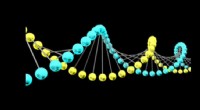
* Structure: Viruses are much simpler than bacteria. They lack a cell membrane, cytoplasm, ribosomes, and other structures common to living organisms. They consist primarily of genetic material (DNA or RNA) encased in a protein coat (capsid). In some cases, they may have an additional outer envelope.
* Replication: Viruses can't reproduce on their own. They need to infect a host cell and hijack its cellular machinery to make copies of themselves.
Important Note: While viruses are the smallest and simplest disease-causing organisms, they are not considered living organisms. They lack the characteristics of life, such as metabolism, independent growth, and the ability to reproduce outside of a host cell.