1. Glycolysis: Glucose, a simple sugar, is broken down into pyruvate in the cytoplasm of the cell. This process produces a small amount of ATP.
2. Krebs Cycle (Citric Acid Cycle): Pyruvate enters the mitochondria and is further broken down in a series of reactions known as the Krebs Cycle. This cycle produces electron carriers (NADH and FADH2) which carry high-energy electrons.
3. Electron Transport Chain: The electron carriers deliver their high-energy electrons to the electron transport chain, a series of protein complexes embedded in the inner mitochondrial membrane.
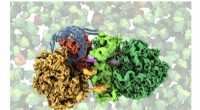
4. ATP Synthesis: As electrons move through the electron transport chain, energy is released, which is used to pump protons (H+) across the inner mitochondrial membrane. This creates a concentration gradient. Protons then flow back across the membrane through a protein called ATP synthase, which uses the energy to synthesize ATP from ADP and inorganic phosphate.
In summary, mitochondria utilize glucose to generate ATP through a series of metabolic processes that involve glycolysis, the Krebs Cycle, and the electron transport chain. This ATP is then used by the cell for various functions, such as muscle contraction, protein synthesis, and active transport.