1. Protection and Structural Support:
* The cell membrane acts as a protective barrier, shielding the delicate internal components of the cell from the external environment.
* It provides structural support, helping maintain the cell's shape and integrity.
2. Selective Permeability:
* The cell membrane is selectively permeable, meaning it allows some substances to pass through while blocking others. This selectivity is vital for maintaining the cell's internal environment and carrying out essential processes.
3. Transport of Molecules:
* The membrane facilitates the transport of essential molecules into the cell, such as nutrients and oxygen, and the removal of waste products.
* This transport can occur through passive processes (diffusion, osmosis) or active processes requiring energy (active transport).
4. Communication with Other Cells:
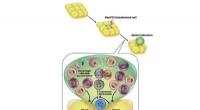
* The cell membrane contains receptors that bind to specific molecules, allowing cells to communicate with each other. This communication is crucial for coordinating cell activities, responding to environmental signals, and maintaining tissue function.
5. Cell Recognition:
* The cell membrane's surface features, such as proteins and carbohydrates, help cells recognize each other, enabling them to form tissues and organs.
6. Maintaining Cellular Environment:
* The cell membrane helps maintain the cell's internal environment, including the concentration of ions, pH, and other factors, necessary for proper cellular function.
7. Energy Production:
* In some cells, the cell membrane plays a role in energy production, such as in the process of photosynthesis in plant cells and in cellular respiration.
In summary, the cell membrane is a vital component of all cells, playing a critical role in maintaining cellular integrity, regulating transport, facilitating communication, and supporting essential life processes.