Deinococcus radiodurans, often dubbed "Conan the Bacterium," is an extremophile known for its incredible resistance to various environmental stresses, particularly radiation. Here's what makes it so significant:
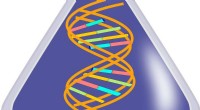
1. Radiation Resistance: D. radiodurans is the most radiation-resistant organism known, surviving doses of ionizing radiation thousands of times higher than lethal to humans. This remarkable ability stems from its efficient DNA repair mechanisms. It can rapidly repair double-strand breaks in its DNA, preventing lethal mutations.
2. Potential Applications:
* Bioremediation: Its ability to break down toxic substances like uranium and hydrocarbons makes it a potential tool for cleaning up contaminated sites.
* Biotechnology: Its DNA repair mechanisms could be harnessed for developing new therapeutic strategies against radiation damage or for protecting genetic material in harsh environments.
* Astrobiology: Its extreme resilience raises questions about the potential for life on other planets with harsh conditions.
3. Understanding DNA Repair: D. radiodurans serves as a model organism for studying DNA repair mechanisms. Understanding how it repairs its DNA could lead to breakthroughs in cancer treatment and other fields.
4. Evolutionary Implications: Its ability to survive in extreme environments suggests that life can thrive in conditions previously thought impossible. This has implications for our understanding of the origin and evolution of life on Earth.
5. Inspiration for New Materials: The resilience of D. radiodurans has inspired researchers to develop new radiation-resistant materials, such as polymers that can withstand extreme environments.
Overall, D. radiodurans is a fascinating and valuable organism with enormous potential for future scientific and technological advancements. Its ability to survive in hostile environments and efficiently repair its DNA holds significant promise for various fields, from bioremediation and biotechnology to astrobiology and materials science.