1. Fossil Record:
* Transitional Fossils: Fossils that show intermediate stages between ancestral and descendant species. Examples include Archaeopteryx (bird-like dinosaur), Tiktaalik (fish with limb-like fins), and Australopithecus (hominin with both ape and human characteristics).
* Extinction: Fossils demonstrate the extinction of many species throughout history, indicating a constant process of change and adaptation.
* Stratigraphic Order: Fossils are found in specific layers of rock, with older fossils in lower layers and newer fossils in upper layers, supporting the concept of gradual change over time.
2. Comparative Anatomy:
* Homologous Structures: Structures with similar underlying anatomy but different functions, suggesting common ancestry. Examples include the wing of a bat, the flipper of a whale, and the human arm.
* Analogous Structures: Structures with similar functions but different underlying anatomy, suggesting convergent evolution. Examples include the wings of birds and insects.
* Vestigial Structures: Structures that have lost their original function but are still present in some organisms, suggesting evolutionary change. Examples include the appendix in humans and the pelvic bones in whales.
3. Molecular Biology:
* DNA Sequencing: Comparison of DNA sequences reveals similarities between species, indicating shared ancestry and evolutionary relationships.
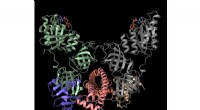
* Protein Similarities: Similarities in protein structures and sequences across species support common ancestry.
* Genetic Variation: Genetic differences within populations provide the raw material for evolution by natural selection.
4. Biogeography:
* Distribution of Species: The geographical distribution of organisms can be explained by evolutionary processes, such as continental drift and isolation.
* Adaptive Radiation: The diversification of a species into many different forms, each adapted to a different niche, is evidence for evolution.
5. Artificial Selection:
* Selective Breeding: Human-directed breeding of plants and animals has resulted in dramatic changes over generations, demonstrating the power of selection.
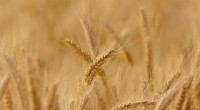
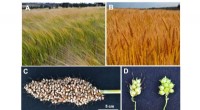
* Crop Domestication: The evolution of crops from wild ancestors through human intervention provides a clear example of artificial selection.
6. Developmental Biology:
* Embryonic Development: Similarities in the embryonic development of different species suggest common ancestry.
* Homeotic Genes: Genes that control the development of body parts, show striking similarities across diverse organisms, indicating shared evolutionary heritage.
7. Direct Observation of Evolution:
* Antibiotic Resistance: The evolution of antibiotic resistance in bacteria is a clear example of natural selection in action.
* Industrial Melanism: The darkening of moth populations in polluted areas is another example of evolution driven by environmental pressures.
While these are just some examples, the evidence for evolution is vast and constantly expanding with new discoveries. The theory of evolution is not just a hypothesis, but a well-supported scientific explanation for the diversity of life on Earth.