1. Plasma Membrane: This thin, flexible barrier encloses the cell and regulates what enters and exits. It's composed of a phospholipid bilayer.
2. Cytoplasm: The jelly-like substance within the cell where many chemical reactions occur. It contains various organelles and the cytosol, the fluid portion.
3. DNA (Deoxyribonucleic Acid): The genetic material of the cell, containing instructions for building and maintaining the organism. In prokaryotes, DNA is located in a region called the nucleoid. In eukaryotes, it's housed within the nucleus.
4. Ribosomes: Tiny structures responsible for protein synthesis. They translate the genetic code from DNA into proteins.
5. Energy Production Systems:
* Prokaryotes: Use the cell membrane for energy production (e.g., through respiration).
* Eukaryotes: Have mitochondria, which are specialized organelles responsible for generating ATP (adenosine triphosphate), the cell's primary energy currency.
Other Important Components:
* Cytoskeleton: A network of protein fibers that provides structural support and aids in movement within the cell.
* RNA (Ribonucleic Acid): Various types of RNA are involved in protein synthesis and other cellular processes.
Key Differences between Prokaryotic and Eukaryotic Cells:
* Eukaryotic cells have a true nucleus, membrane-bound organelles, and are typically larger and more complex than prokaryotes.
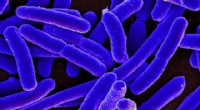
* Prokaryotic cells lack a nucleus and other membrane-bound organelles. Their DNA is located in the nucleoid region.
Remember that while these components are found in all cells, their specific structures and functions can vary depending on the type of cell and organism.