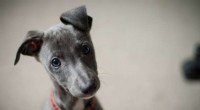
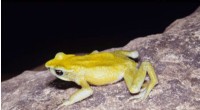
1. Variation: Individuals within a population have slight differences in their traits, whether it's the color of their fur, the shape of their beak, or their resistance to a disease. This variation arises from mutations in their DNA.
2. Inheritance: These variations are passed on from parents to offspring.
3. Natural Selection: The environment presents challenges, and individuals with traits that make them better adapted to their environment (e.g., camouflaged fur for hiding from predators, a beak shape suited to specific food sources) are more likely to survive, reproduce, and pass their genes on. Those with less advantageous traits are less likely to survive and reproduce, leading to a gradual shift in the population's traits over generations.
4. Other Processes: While natural selection is the primary driver, other processes also contribute to evolution:
* Genetic Drift: Random fluctuations in gene frequencies, especially in small populations, can lead to changes in traits even if they aren't directly related to survival.
* Gene Flow: The movement of individuals (and their genes) between populations can introduce new traits or alter existing ones.
* Mutation: The occasional errors in DNA copying can introduce new variations, potentially leading to new traits.
It's important to understand:
* Evolution is a gradual process: It happens over many generations, not overnight.
* Evolution is not about progress: There is no "goal" to evolution. Organisms simply adapt to their environment, which can sometimes mean becoming simpler or more specialized.
* Evolution does not occur in individuals: It happens at the population level.
Think of evolution as a slow, continuous process of change, driven by the environment and the ability of organisms to adapt.