1. Climate:
* Temperature: Average temperature throughout the year, including seasonal variation.
* Precipitation: Amount and distribution of rainfall throughout the year.
* Sunlight: Intensity and duration of sunlight exposure.
2. Vegetation:
* Dominant plant species: Types of plants that are most prevalent and define the biome's character.
* Plant structure: Height, density, and arrangement of plants.
* Adaptation: Plant adaptations to the specific climate conditions.
3. Animal Life:
* Dominant animal species: Types of animals that are most prevalent and characteristic of the biome.
* Animal adaptations: Adaptations of animals to the specific climate and vegetation of the biome.
* Food webs and ecological interactions: Relationships between different organisms in the biome.
4. Soil:
* Soil type: Composition, texture, and nutrient content of the soil.
* Soil pH: Acidity or alkalinity of the soil.
* Soil fertility: Ability of the soil to support plant growth.
5. Geographic Location:
* Latitude: Distance from the equator, which influences temperature and sunlight.
* Altitude: Elevation above sea level, which influences temperature and precipitation.
* Proximity to water bodies: Influence on humidity and temperature.
Common Biome Classifications:
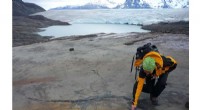
* Tundra: Cold and treeless, with low-growing vegetation.
* Boreal Forest (Taiga): Cold, coniferous forests.
* Temperate Deciduous Forest: Moderate temperatures and deciduous trees.
* Temperate Grassland: Grasslands with moderate rainfall and seasonal temperatures.
* Desert: Dry and arid, with sparse vegetation.
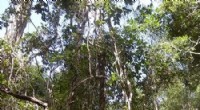
* Tropical Rainforest: Hot and humid, with lush vegetation.
* Savanna: Tropical grasslands with scattered trees.
* Marine: Oceans and seas.
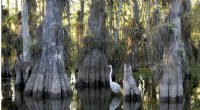
* Freshwater: Lakes, rivers, and wetlands.
It's important to note that biome boundaries are not always clear-cut and there can be overlap between different biomes. Additionally, human activities can significantly alter and impact biome characteristics.