Animal Cells: The Hallmarks of Life
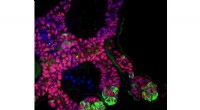
* Cellular Structure: Animal cells are complex, self-contained units with a cell membrane, cytoplasm, genetic material (DNA), and specialized organelles (like mitochondria for energy production).
* Metabolism: They carry out a wide range of metabolic processes, including taking in nutrients, converting energy, and producing waste products.
* Growth and Development: Animal cells grow and divide, increasing in size and number. They undergo a life cycle with stages of development.
* Adaptation and Evolution: Animal cells are capable of responding to changes in their environment and evolving over time.
* Homeostasis: They maintain a stable internal environment, even in the face of external fluctuations.
* Reproduction: Animal cells reproduce through cell division, creating offspring.
Viruses: The Gray Area of Life
* Non-Cellular: Viruses lack the complex internal structure of cells. They consist of a protein coat (capsid) surrounding a core of genetic material (DNA or RNA).
* Dependent on Hosts: Viruses are obligate intracellular parasites, meaning they can only reproduce inside living cells. They cannot carry out metabolism or replication on their own.
* Lack of Metabolism: Viruses lack the machinery to perform metabolic functions such as energy production or waste removal.
* Dormant State: Outside of a host cell, viruses are inert, not exhibiting any signs of life.
The Key Difference: Independent Function
The fundamental difference lies in the ability to perform independent biological functions. Animal cells are self-sufficient entities capable of carrying out all the processes necessary for life. Viruses, on the other hand, rely entirely on a host cell for survival and reproduction. They lack the metabolic and structural components to function independently.
In summary: Animal cells exhibit all the characteristics of life, while viruses possess only a few. This is why animal cells are considered living organisms, while viruses are not.