1. Transcription:
* Location: Nucleus
* Process:
* DNA contains the genetic code for making proteins.
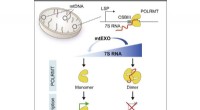
* A specific segment of DNA, called a gene, is transcribed into a messenger RNA (mRNA) molecule.
* The enzyme RNA polymerase reads the DNA sequence and builds a complementary RNA molecule using the nucleotide base pairs (adenine with uracil, guanine with cytosine).
* Output: mRNA molecule, which carries the genetic code from the DNA to the ribosome.
2. Translation:
* Location: Cytoplasm, specifically on ribosomes
* Process:
* The mRNA molecule travels from the nucleus to the cytoplasm and binds to a ribosome.
* The ribosome reads the mRNA sequence in codons (groups of three nucleotides) and translates them into amino acids.
* tRNA molecules, each carrying a specific amino acid, bind to the mRNA codons based on their complementary anticodon sequence.
* The ribosome links the amino acids together in a chain, forming a polypeptide.
* Output: A polypeptide chain, which folds into a functional protein.
Here's a summary:
1. DNA (gene) --> mRNA (transcription)
2. mRNA --> protein (translation)
Important points:
* The genetic code is universal, meaning the same codons code for the same amino acids in almost all living organisms.
* The process of gene expression is tightly regulated to ensure that the correct proteins are made at the right time and in the right amount.
* Errors in gene expression can lead to diseases, such as cancer.
In simpler terms:
Imagine DNA as a blueprint for building a house. The blueprint is in the nucleus (like the architect's office). To build the house, you need to copy the blueprint (transcription) and send it to the construction site (cytoplasm). The construction workers (ribosomes) read the copy (mRNA) and use the instructions to assemble the materials (amino acids) into the final house (protein).