1. Reduced Gene Flow:
- Isolation restricts the exchange of genetic material between populations. This means that different populations evolve independently, accumulating unique mutations and genetic variations.
2. Different Selective Pressures:
- Isolated populations often experience different environmental conditions, such as climate, food sources, predators, and diseases. These differences exert distinct selective pressures, favoring different traits in each population.
3. Genetic Drift:
- In small, isolated populations, random fluctuations in gene frequencies can occur due to chance events. This phenomenon, known as genetic drift, can lead to the loss or fixation of specific alleles, further differentiating isolated populations.
4. Adaptation and Specialization:
- Over time, the selective pressures and genetic drift in isolated populations lead to the development of adaptations that are beneficial in their specific environment. This can result in specialized traits, behaviors, and ecological niches.
5. Reproductive Isolation:
- As isolated populations evolve, they may develop reproductive barriers that prevent them from interbreeding with other populations. These barriers can be prezygotic (before fertilization), such as differences in mating rituals or habitat preferences, or postzygotic (after fertilization), such as offspring inviability or sterility.
6. Speciation:
- When reproductive isolation becomes complete, two isolated populations can no longer exchange genes and are considered distinct species. This process of speciation is a fundamental outcome of evolution.
Examples of Isolation and Evolution:
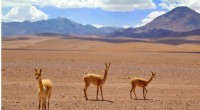
* Geographic Isolation: Islands, mountains, and lakes can isolate populations, leading to the evolution of unique species like Darwin's finches on the Galapagos Islands.
* Ecological Isolation: Different species within the same geographic area may be isolated by their preferred habitats or food sources, leading to specialization and divergence.
* Behavioral Isolation: Differences in mating rituals, songs, or pheromones can prevent interbreeding between populations, driving speciation.
Conclusion:
Isolation is a powerful driver of evolution by limiting gene flow, promoting different selective pressures, and fostering genetic drift. It leads to adaptation, specialization, reproductive isolation, and ultimately, the formation of new species. By understanding the role of isolation, we gain insight into the mechanisms that have shaped the diversity of life on Earth.