1. Growth and Development:
* From a single fertilized egg, multicellular organisms develop through repeated rounds of mitosis and cell division. This creates the vast number of cells needed to form tissues, organs, and ultimately, the complete organism.
2. Repair and Regeneration:
* Mitosis replaces damaged or worn-out cells. This is crucial for healing wounds, maintaining the integrity of tissues, and replacing cells that naturally die.
3. Asexual Reproduction:
* In some organisms, like bacteria and certain plants, mitosis is the primary mode of reproduction. It allows the creation of genetically identical offspring from a single parent.
4. Maintaining Cell Number:
* Cell division ensures that the number of cells in an organism remains relatively constant. This is important for maintaining the proper size and functioning of tissues and organs.
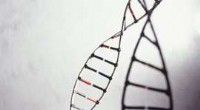
5. Maintaining Genetic Information:
* Mitosis ensures that each daughter cell receives an identical copy of the parent cell's genetic material (DNA). This helps maintain the genetic integrity of the organism.
In Summary:
Mitosis and cell division are essential for growth, repair, asexual reproduction, maintaining cell number, and ensuring the accurate transmission of genetic information. Without these processes, life as we know it would not exist.