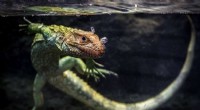
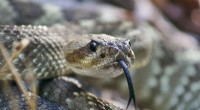
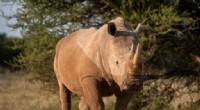
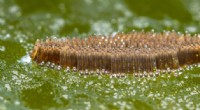
* Morphology: The shape, size, and structure of the organism, including its external features (like the presence of wings or scales) and internal anatomy.
* Physiology: The internal functioning of the organism, such as its metabolism, respiration, and nervous system.
* Behavior: The observable actions and responses of the organism to its environment.
It's important to note that phenotype is the result of the interaction between an organism's genotype (its genetic makeup) and the environment. The same genotype can lead to different phenotypes depending on the environmental factors.