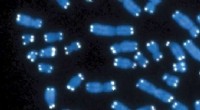
* Mitosis: A Process of Duplication Mitosis is a type of cell division where a single parent cell divides into two daughter cells that are genetically identical to each other and the parent cell.
* DNA Replication: Before mitosis, the parent cell replicates its entire DNA content. This means each chromosome is duplicated, creating two identical copies.
* Chromosome Separation: During mitosis, these duplicated chromosomes are separated into two equal sets, one for each daughter cell.
* Identical Inheritance: Each daughter cell receives one copy of each chromosome from the original parent cell, resulting in an identical genetic blueprint.
In summary: Mitosis ensures that the genetic information is passed on faithfully from one generation of cells to the next, maintaining the genetic consistency of the organism. This is crucial for growth, repair, and development.