1. Chemical Level: This is the foundation of all living things. It involves atoms and molecules, the building blocks of life.
* Atoms: The smallest unit of an element that still retains the properties of that element (e.g., carbon, oxygen, hydrogen).
* Molecules: Two or more atoms held together by chemical bonds (e.g., water, proteins, carbohydrates).
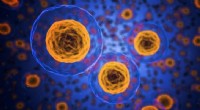
2. Cellular Level: The basic, fundamental unit of life.
* Cells: The smallest structural and functional unit of an organism that can carry out all the processes of life. Examples include muscle cells, nerve cells, and blood cells.
3. Tissue Level: A group of similar cells that work together to perform a specific function.
* Epithelial Tissue: Covers surfaces and lines cavities (e.g., skin, lining of the digestive tract).
* Connective Tissue: Supports and binds other tissues (e.g., bone, blood, cartilage).
* Muscle Tissue: Allows for movement (e.g., skeletal muscle, smooth muscle, cardiac muscle).
* Nervous Tissue: Transmits and receives information (e.g., brain, spinal cord, nerves).
4. Organ Level: A structure composed of two or more different tissues that work together to perform a specific function.
* Heart: Pumps blood throughout the body (composed of muscle, epithelial, and connective tissue).
* Brain: Controls and coordinates bodily functions (composed of nervous tissue).
* Liver: Filters blood and performs many metabolic functions (composed of epithelial, connective, and nervous tissue).
5. Organ System Level: A group of organs that work together to carry out a major bodily function.
* Digestive System: Breaks down food and absorbs nutrients.
* Respiratory System: Exchanges oxygen and carbon dioxide.
* Circulatory System: Transports blood, oxygen, and nutrients throughout the body.
* Nervous System: Controls and coordinates bodily functions.
6. Organismal Level: A complete living being, composed of all the organ systems working together.
* Human: A complex organism with all the organ systems functioning in a coordinated manner.
Important Note: This hierarchy is not rigid; the different levels are interconnected and depend on each other. A change at one level can have a significant impact on the others.