Here's why:
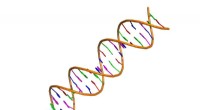
* The nucleus is the control center of the cell: It houses the cell's genetic material, which is DNA.
* DNA is organized into chromosomes: These structures are made up of tightly coiled DNA and proteins.
* Chromosomes are located within the nucleus: This ensures the protection and organization of DNA.
While the majority of DNA resides in the nucleus, there are small amounts of DNA found in other organelles like:
* Mitochondria: These organelles have their own DNA, known as mitochondrial DNA (mtDNA), which is involved in energy production.
* Chloroplasts (in plant cells): These organelles also have their own DNA, known as chloroplast DNA (cpDNA), which is involved in photosynthesis.
So, while the nucleus is the primary location for DNA, a small portion exists elsewhere in the cell.