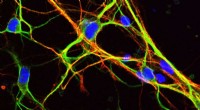
Here are some examples of things you might see under a microscope, categorized by type:
Single-celled organisms (microorganisms):
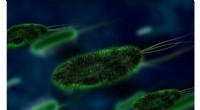
* Bacteria: These are prokaryotes, meaning they lack a nucleus and other membrane-bound organelles. Examples include *E. coli*, *Staphylococcus aureus*, and *Streptococcus pneumoniae*.
* Archaea: These are also prokaryotes, but they differ from bacteria in their biochemistry and genetics. They can be found in extreme environments like hot springs and salt lakes.
* Protozoa: These are single-celled eukaryotes, meaning they have a nucleus and other organelles. Examples include amoeba, paramecium, and giardia.
* Algae: These are single-celled or multicellular eukaryotes that can perform photosynthesis. Examples include diatoms, green algae, and red algae.
* Fungi: Some fungi are single-celled, such as yeasts.
* Viruses: While not technically "living," viruses are often studied using microscopes. They are essentially genetic material encased in a protein coat.
Multicellular organisms:
* Plant cells: These cells have distinct features like chloroplasts, cell walls, and a large central vacuole.
* Animal cells: These cells are more diverse in shape and function, but generally lack chloroplasts and have smaller vacuoles.
* Tissue: By using a microscope, you can see how individual cells organize into tissues, like muscle tissue or nervous tissue.
* Parasites: Many parasites are small enough to be seen under a microscope. This includes organisms like tapeworms, roundworms, and ticks.
Other:
* Blood cells: Red blood cells, white blood cells, and platelets can be seen under a microscope.
* Sperm cells: These are very small and have a unique shape, making them easily recognizable under a microscope.
To give you more specific names, I need to know what kind of sample you're looking at!
For example, if you tell me you're looking at a sample of pond water, I can tell you the names of different types of algae and protozoa you might see.