While both transcription and replication involve copying genetic information, they differ significantly in their goals, products, and mechanisms.
Here's a breakdown of their key differences:
1. Goal:
* Transcription: Creates a working copy of a gene (DNA sequence) in the form of RNA (specifically mRNA, messenger RNA). This RNA copy can then be used to synthesize proteins.
* Replication: Creates an exact duplicate of the entire genome (DNA sequence) for cell division, ensuring each daughter cell receives a complete copy of the genetic material.
2. Product:
* Transcription: Produces a single-stranded RNA molecule, typically mRNA, which carries the genetic information from DNA to the ribosomes for protein synthesis.
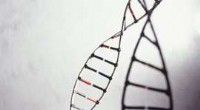
* Replication: Produces two identical DNA double helix molecules.
3. Mechanism:
* Transcription:
* Uses RNA polymerase enzyme to read the DNA template and synthesize a complementary RNA molecule.
* Only one strand of DNA is copied, not both.
* The newly synthesized RNA molecule is a transient molecule, meaning it doesn't stay in the nucleus for long.
* Replication:
* Uses DNA polymerase enzyme to read the DNA template and synthesize a new complementary strand.
* Both strands of DNA are copied.
* The newly synthesized DNA molecules are permanent and are passed on to daughter cells.
4. Location:
* Transcription: Occurs in the nucleus of eukaryotic cells (where DNA is stored).
* Replication: Also occurs in the nucleus of eukaryotic cells.
5. Timing:
* Transcription: Constantly occurring as needed to produce proteins.
* Replication: Occurs only before cell division (mitosis or meiosis).
Here's an analogy to illustrate the difference:
Imagine you have a cookbook (DNA) with delicious recipes (genes).
* Transcription: You want to make a specific dish (protein), so you photocopy (RNA polymerase) a single recipe (gene) from the cookbook. This photocopy (mRNA) is then taken to the kitchen (ribosome) to be used in making the dish.
* Replication: You want to give a friend a copy of the entire cookbook so they can cook all the recipes (genes). You completely copy the cookbook (DNA polymerase) to create a brand-new identical cookbook (DNA) for your friend.
In conclusion:
While transcription and replication share the goal of copying genetic information, they have distinct differences in their mechanisms, products, timing, and overall function. Understanding these differences is crucial for comprehending the fundamental processes of life.