1. Energy Source:
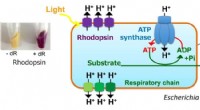
* Cellular Respiration: Glucose is the primary fuel source for most microbes. They break down glucose through cellular respiration (glycolysis, Krebs cycle, electron transport chain) to generate ATP, their primary energy currency. This ATP powers all cellular processes.
* Fermentation: Some microbes, particularly anaerobic ones, use fermentation to generate energy from glucose in the absence of oxygen. This process produces byproducts like lactic acid or ethanol, which can be useful in certain applications.
2. Carbon Source:
* Building Blocks: Glucose is a six-carbon sugar that provides the carbon atoms necessary for building essential cellular components like proteins, lipids, nucleic acids, and cell walls.
3. Versatile Metabolism:
* Different Metabolic Pathways: Microbes can break down glucose through various metabolic pathways depending on their species and environmental conditions. This versatility allows them to thrive in a wide range of environments.
4. Growth and Reproduction:
* Essential Nutrient: Glucose is a crucial nutrient for microbial growth and reproduction. Its availability directly impacts the rate and efficiency of these processes.
5. Availability:
* Abundant in Nature: Glucose is readily available in various natural environments, such as soil, water, and organic matter, making it a reliable source of energy and carbon for microbes.
6. Specific Examples:
* Gut Microbiota: Glucose is a major source of energy for bacteria residing in the human gut, playing a crucial role in digestion and nutrient absorption.
* Yeast: Yeast uses glucose for fermentation, producing alcohol and carbon dioxide, which are essential for brewing and baking.
In summary, glucose is a vital nutrient for microbes, providing energy, building blocks for essential components, and fueling growth and reproduction. Its availability and versatility make it a fundamental resource for the thriving of microbial life across diverse environments.