Animal Cells:
* Red blood cells: These were among the first cells to be observed, thanks to their distinct shape and color.
* White blood cells: These were also observed early on, though their diversity and complexity were later revealed with more powerful microscopes.
* Muscle cells: The striated pattern of muscle fibers was observed and studied extensively using light microscopes.
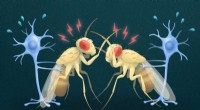
* Nerve cells: While the intricate structure of neurons was later uncovered with electron microscopes, their basic morphology and long extensions were seen with light microscopy.
Plant Cells:
* Chloroplasts: These organelles, responsible for photosynthesis, were observed in plant cells.
* Cell walls: The rigid outer layer of plant cells was clearly visible with a light microscope.
* Vacuoles: The large, fluid-filled sacs within plant cells were also discovered with this technology.
Other:
* Bacteria: While technically not eukaryotic cells, bacteria were discovered and studied extensively with light microscopes.
* Yeast: These single-celled fungi were also observed using light microscopy.
It's important to note that the discovery of cells using light microscopes was a gradual process, with advancements in microscope technology leading to more detailed observations over time. The development of the electron microscope in the 20th century allowed for even greater resolution, revealing previously unseen cellular structures.