Here are some examples of "bases" found in the human body, with explanations of their functions:
1. Bases in the Blood:
* Bicarbonate ions (HCO3-): This is the most important buffer in the blood, helping to maintain a stable pH (around 7.35-7.45) despite the constant production of acidic waste products.
* Phosphate ions (HPO42-): These ions also contribute to buffering capacity in the blood, although to a lesser extent than bicarbonate.
2. Bases in the Digestive System:
* Bicarbonate ions (HCO3-): Secreted by the pancreas, bicarbonate helps neutralize stomach acid in the small intestine, creating a suitable environment for digestion.
* Hydroxide ions (OH-): Found in the intestinal fluid, these ions contribute to the slightly alkaline pH necessary for optimal digestion.
3. Bases in Other Tissues and Fluids:
* Ammonium ions (NH4+): Produced as a byproduct of protein metabolism, ammonium ions contribute to the overall buffering capacity of the body's fluids.
* Various organic bases: These include compounds like creatinine, uric acid, and various amino acids, which can contribute to the overall acidity or alkalinity of different bodily fluids.
4. Bases in DNA and RNA:
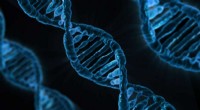
* Adenine (A), Guanine (G), Cytosine (C), Thymine (T) and Uracil (U): These are the nitrogenous bases that form the building blocks of DNA and RNA. They are not technically "bases" in terms of pH, but they are important for understanding the structure and function of nucleic acids.
Important Note: The term "base" can be confusing as it has different meanings in different contexts. In chemistry, a base is a substance that accepts protons (H+ ions) and increases the pH of a solution. In biology, "base" can refer to the nitrogenous bases in DNA and RNA, or to other chemical compounds that have a basic pH.
Ultimately, the human body maintains a delicate balance of acids and bases to ensure proper functioning. This balance is crucial for processes like digestion, respiration, and cellular metabolism.