Here's a breakdown:
* Monomers: Small, simple molecules that are the building blocks of larger molecules.
* Polymers: Large molecules composed of many repeating monomer units.
The process of polymerization involves the following steps:
1. Dehydration synthesis: This is the primary mechanism of polymerization. Water is removed from the monomers, forming a covalent bond between them. This bond links the monomers together, creating a longer chain.
2. Energy input: Polymerization requires energy to break the bonds within the monomers and to form the new bonds between them. This energy is often supplied by ATP (adenosine triphosphate).
3. Enzymes: Specific enzymes are involved in catalyzing the dehydration synthesis reactions, making them occur at a faster rate.
Examples of Polymerization:
* Carbohydrates: Monosaccharides (simple sugars) are joined together to form disaccharides (like sucrose) and polysaccharides (like starch and cellulose).
* Proteins: Amino acids are linked together by peptide bonds to form polypeptide chains, which then fold into functional proteins.
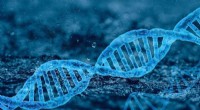
* Nucleic acids: Nucleotides (composed of a sugar, phosphate group, and nitrogenous base) are linked together to form DNA and RNA.
* Lipids: Glycerol and fatty acids are joined together to form triglycerides (fats and oils).
In summary: Polymerization is the process by which cells create large, complex molecules (polymers) from smaller building blocks (monomers). This process is essential for all living organisms as it allows them to build the structures and carry out the functions necessary for life.