1. Eukaryotic Organization: Animal cells are eukaryotic, meaning they have a true nucleus that houses their genetic material (DNA) and other membrane-bound organelles. This compartmentalization allows for specialized functions within the cell.
2. Specialized Organelles: Animal cells possess a unique set of organelles that perform specific roles. These include:
* Mitochondria: Powerhouses of the cell, responsible for generating energy (ATP) through cellular respiration.
* Lysosomes: Recycling centers, breaking down waste materials and cellular debris.
* Golgi apparatus: Processing and packaging center, modifying and sorting proteins and lipids.
* Endoplasmic reticulum (ER): Network of membranes involved in protein synthesis, folding, and lipid metabolism.
* Centrioles: Involved in cell division, helping to organize microtubules during mitosis.
3. Movement and Locomotion: Many animal cells have structures for movement, such as cilia and flagella. These hair-like projections allow cells to move through fluids or move substances across their surface.
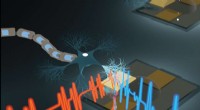
4. Diverse Cell Types: Animal cells exhibit remarkable diversity, giving rise to the wide array of tissues and organs found in animals. For instance, muscle cells are specialized for contraction, nerve cells for transmitting signals, and epithelial cells for lining surfaces.
5. Cell-Cell Communication: Animal cells communicate extensively with each other through various mechanisms, such as chemical signaling, direct contact, and gap junctions. This allows for coordinated activity and complex interactions within the body.
6. Adaptation and Evolution: Animal cells have evolved over millions of years to adapt to diverse environments and fulfill specific functions. From the cells of jellyfish to those of humans, each cell type has unique features that enable it to thrive in its particular niche.
7. Research and Medical Significance: Animal cells are essential for research in areas such as medicine, biology, and biotechnology. Studying animal cells helps us understand human health, disease mechanisms, and develop new treatments.
In conclusion, animal cells are marvels of biological engineering, characterized by their eukaryotic organization, specialized organelles, diverse functions, and crucial role in animal development and health. Their complexity and adaptability continue to inspire and inform scientific exploration.