* Nutrition: Obtaining and processing food
* Respiration: Taking in oxygen and releasing carbon dioxide
* Excretion: Removing waste products
* Reproduction: Creating offspring
* Movement: Moving around the environment (for some)
* Response: Reacting to stimuli
Examples of one-cell organisms include:
* Bacteria: Tiny organisms that are found everywhere, including in the soil, air, and water.
* Archaea: Similar to bacteria, but they live in extreme environments like hot springs or salt lakes.
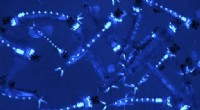
* Protists: A diverse group of organisms, including amoebas, paramecia, and algae.
Key Features of One-Cell Organisms:
* Simple structure: They lack specialized tissues and organs found in multicellular organisms.
* High surface area to volume ratio: This allows for efficient exchange of nutrients and waste.
* Self-sufficiency: They are able to perform all life processes within a single cell.
* Variety of adaptations: They have evolved diverse ways to survive in a wide range of environments.
Importance of One-Cell Organisms:
* Essential for life: They play crucial roles in ecosystems, such as decomposition, nutrient cycling, and food webs.
* Model organisms: They are used in scientific research to study fundamental biological processes.
* Medical significance: Some bacteria and archaea cause diseases, while others are used in the production of antibiotics and other pharmaceuticals.
One-cell organisms are fascinating examples of the diversity and complexity of life, demonstrating that even the simplest organisms can be incredibly sophisticated and vital to the planet.