1. Universal Genetic Code:
* Shared Language: All known life forms on Earth use the same basic genetic code (with a few minor variations), a remarkable similarity that strongly suggests common ancestry. This is like finding two languages with nearly identical vocabulary and grammar, implying a shared origin.
* Universality: The near universality of the genetic code across all life forms (from bacteria to humans) points to a single origin of life and subsequent diversification.
2. Sequence Comparisons:
* Similarity and Difference: By comparing DNA or RNA sequences between different species, scientists can assess their evolutionary relationships. Species with similar sequences are more closely related than those with more divergent sequences.
* Phylogenetic Trees: These comparisons form the basis for constructing phylogenetic trees, which depict evolutionary relationships and illustrate the branching patterns of life's history.
3. Fossil DNA and RNA:
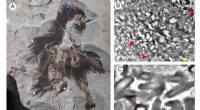
* Ancient Evidence: In rare cases, DNA or RNA can be extracted from fossilized remains. This "ancient DNA" provides direct evidence of genetic change over time, illuminating evolutionary processes.
* Extinct Species: Ancient DNA can help scientists understand the evolutionary relationships of extinct species and how they are related to modern organisms.
4. Molecular Clocks:
* Mutation Rates: DNA and RNA mutate at relatively constant rates, providing a molecular "clock" to estimate the time of divergence between species.
* Dating Divergence: By comparing the number of mutations in sequences between species, scientists can estimate how long ago they shared a common ancestor.
5. Pseudogenes:
* Non-Functional Genes: Pseudogenes are non-functional copies of genes that have lost their original function. They are often present in different species, indicating a shared evolutionary history.
* Evidence of Ancestry: Pseudogenes accumulate mutations faster than functional genes, making them valuable for tracing evolutionary relationships.
6. Horizontal Gene Transfer:
* Gene Exchange: While most gene transfer is vertical (from parent to offspring), some species can exchange genetic material horizontally.
* Evolutionary Insights: Studying horizontal gene transfer can reveal how genes have moved between different lineages, contributing to the evolution of new traits and adaptations.
In summary, biochemistry provides powerful tools for studying evolution. By analyzing the structure, function, and evolution of DNA and RNA, scientists gain valuable insights into the relationships and origins of life on Earth.