1. Attraction and Consumption: Animals are attracted to the brightly colored, fragrant, and often juicy fruits. They consume the fruits, ingesting the seeds along with the fleshy pulp.
2. Seed Protection and Passage: The tough outer seed coat protects the embryo from the digestive enzymes in the animal's stomach. The seeds pass through the digestive system and are expelled in the animal's droppings.
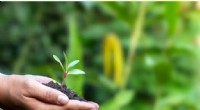
3. Seed Deposition and Germination: The droppings act as a natural fertilizer, providing nutrients for the seeds. The seeds are deposited far away from the parent plant, increasing the chances of survival and preventing competition with the parent plant.
Benefits of Endozoochory:
* Increased dispersal distance: Animals can travel long distances, spreading seeds over a wider area.
* Enhanced germination: The passage through the digestive system can scarify the seed coat, allowing water and oxygen to penetrate and promote germination.
* Nutrient enrichment: Animal droppings provide valuable nutrients for seed germination.
* Reduced competition: Seeds dispersed far from the parent plant avoid competition for resources.
Examples of Animals that Disperse Seeds:
* Birds: Fruit-eating birds like robins, bluebirds, and cardinals play a major role in seed dispersal.
* Mammals: Monkeys, squirrels, foxes, and bears are also known to disperse seeds.
* Reptiles: Lizards and turtles can also consume fruits and disperse seeds.
Evolutionary Significance:
Endozoochory is a mutually beneficial relationship between plants and animals. Plants benefit from seed dispersal and increased germination rates, while animals obtain food and energy from the fruits. This co-evolutionary process has played a significant role in shaping plant diversity and the distribution of species across the globe.