Here's why:
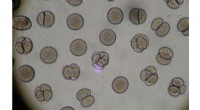
* Large Cells: Parenchyma cells are generally large and often have a relatively thin cell wall.
* Closely Spaced: Parenchyma cells are tightly packed together.
* Prominent Nucleus: Parenchyma cells often have a large, prominent nucleus.
Parenchyma tissue is found in plants and performs a variety of functions, including:
* Photosynthesis: In leaves, parenchyma cells contain chloroplasts and carry out photosynthesis.
* Storage: In roots, stems, and fruits, parenchyma cells store water, carbohydrates, and other substances.
* Secretion: Some parenchyma cells are specialized for secreting substances like nectar or latex.
Other tissue types that could have large cells with nuclei:
* Connective tissue: Some types of connective tissue, like adipose (fat) tissue, have large cells with nuclei, but they are not typically as closely spaced as parenchyma cells.
* Muscle tissue: Muscle cells (fibers) can be large, but they have a more elongated shape and a specific arrangement of myofibrils.
To confirm the type of tissue, you'd need more information, like:
* Location: Where is the tissue found (plant or animal)?
* Function: What is the tissue's primary role?
* Additional characteristics: Are there any other distinctive features, like cell walls, vacuoles, or intercellular spaces?