* DNA Structure: DNA is a double-stranded helix, with two strands held together by hydrogen bonds between complementary bases.
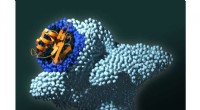
* Helicase Function: Helicase is an enzyme that acts like a molecular zipper. It uses energy from ATP to break the hydrogen bonds between the two DNA strands, separating them.
* Result: This separation creates two single-stranded DNA molecules, ready for further processing.
Why is this important?
The separation of DNA strands by helicase is crucial for many essential cellular processes, including:
* DNA Replication: During DNA replication, helicase unwinds the DNA so that each strand can serve as a template for creating a new complementary strand.
* DNA Repair: Helicase is involved in various DNA repair mechanisms, where damaged DNA sections need to be unwound for repair.
* Transcription: Helicase unwinds DNA to allow RNA polymerase access to the template strand for transcription, the process of creating RNA from DNA.
In essence, helicase plays a crucial role in making DNA accessible for various cellular processes by creating single-stranded DNA from the double-stranded helix.