1. High Energy Density:
* Longer Chains: Fatty acids have a higher carbon-to-hydrogen ratio than carbohydrates. This means they have a greater number of C-H bonds, which store a lot of chemical energy. Longer chain fatty acids contain more C-H bonds, resulting in more energy stored per molecule.
* Hydrophobic Nature: Fat is more reduced (less oxidized) than carbohydrates. This means it has more potential to be oxidized and release energy.
2. Beta-Oxidation: A Highly Efficient Pathway
* Stepwise Breakdown: Beta-oxidation breaks down fatty acids two carbons at a time, generating acetyl-CoA molecules (the starting fuel for the Citric Acid Cycle).
* NADH & FADH2 Production: Each round of beta-oxidation generates one NADH and one FADH2, which are electron carriers that feed into the electron transport chain (ETC) for ATP production.
3. The Citric Acid Cycle and Oxidative Phosphorylation
* Acetyl-CoA Fuel: The acetyl-CoA produced by beta-oxidation enters the Citric Acid Cycle, generating more NADH and FADH2.
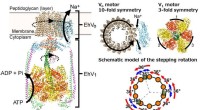
* ETC Efficiency: The ETC uses the electrons from NADH and FADH2 to create a proton gradient across the mitochondrial membrane. This gradient powers ATP synthesis through oxidative phosphorylation, the main way ATP is produced.
Factors that influence ATP production from a specific fatty acid:
* Chain Length: Longer-chain fatty acids produce more acetyl-CoA units, thus generating more ATP.
* Saturation: Saturated fatty acids are generally more energy-rich than unsaturated fatty acids because they have fewer double bonds.
* Mitochondrial Efficiency: The efficiency of the ETC and oxidative phosphorylation in mitochondria can vary, impacting ATP production.
Example:
* A 16-carbon fatty acid like palmitate will generate approximately 106 ATP molecules through complete oxidation, whereas a glucose molecule (6 carbons) generates around 32 ATP molecules.
In summary: The combination of high energy density, efficient beta-oxidation, and the substantial production of electron carriers during fatty acid metabolism make them more effective at producing ATP compared to other fuels like carbohydrates.