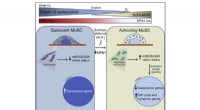
Cells specialize through a fascinating process called differentiation, where a single, unspecialized cell, called a stem cell, develops into a specific type of cell with unique functions. Here's a breakdown of how this happens:
1. Genetic Programming: Each cell in your body contains the same complete set of genes, but only a specific subset is "turned on" in each cell type. This process is controlled by various factors, including:
* Transcription Factors: These proteins bind to DNA and regulate the expression of specific genes.
* Signaling Molecules: These molecules, like hormones or growth factors, communicate with cells and trigger specific gene expression.
* Environmental Cues: External factors, like oxygen levels or nutrient availability, can also influence gene expression.
2. Gene Expression and Protein Production: Once a gene is turned on, its instructions are used to create specific proteins. These proteins determine the cell's structure, function, and behavior. For example, muscle cells express genes that produce proteins for contraction, while nerve cells produce proteins for transmitting electrical signals.
3. Morphological Changes: As cells specialize, they undergo physical changes that reflect their function. This includes:
* Shape: Nerve cells develop long, branching extensions called axons and dendrites, while red blood cells become biconcave discs to maximize oxygen transport.
* Organelles: Specific organelles become more prominent or absent depending on the cell's function. For example, muscle cells have a high concentration of mitochondria for energy production.
* Cell Surface: Cells develop specialized receptors and proteins on their surface to interact with other cells and their environment.
4. Interplay of Factors: Cell specialization is a complex process involving a delicate balance of genetic, molecular, and environmental factors. It's a dynamic process where cells constantly adapt and respond to changes in their surroundings.
Examples of Specialized Cells:
* Nerve Cells (Neurons): Transmit electrical signals throughout the body.
* Muscle Cells: Contract and relax to produce movement.
* Red Blood Cells: Transport oxygen throughout the body.
* Skin Cells: Form a protective barrier against the environment.
* Immune Cells: Defend the body against disease.
In summary, cell specialization is a remarkable process that allows organisms to develop complex tissues and organs, each with unique functions. This intricate dance of gene expression, protein production, and morphological changes leads to a diverse and specialized workforce of cells that work together to maintain life.