1. Biology and Physiology:
* Anatomy: Studies the structure of the human body and the relationship between its parts.
* Physiology: Studies the function of the human body and how its parts work together to maintain life.
* Cellular biology: Focuses on the cells that make up the body and how they interact with each other.
* Biochemistry: Studies the chemical processes that occur in living organisms, including the interactions between molecules in the body.
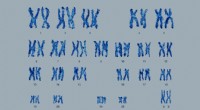
* Genetics: Explores the role of genes in determining human traits and how genes influence the interactions between different parts of the body.
* Neuroscience: Studies the nervous system, including the brain, spinal cord, and nerves, and how they control the body's functions and interactions.
2. Psychology and Sociology:
* Cognitive psychology: Studies how humans perceive, learn, and remember information and how these processes affect their interactions with the world.
* Social psychology: Investigates how people think, feel, and behave in social situations and how these interactions shape their individual behavior.
* Developmental psychology: Examines the changes in physical, cognitive, and social development throughout the lifespan and how these changes influence human interactions.
* Sociology: Focuses on how societies are structured and how individuals interact within social groups and institutions.
3. Engineering and Technology:
* Biomechanics: Studies the mechanics of the human body and how it moves and interacts with its environment.
* Robotics: Aims to create machines that can perform tasks that humans do, often by mimicking the movement and interaction of human parts.
* Artificial intelligence: Develops computer systems that can learn and solve problems like humans, drawing inspiration from the way human brains work.
4. Medicine and Healthcare:
* Clinical medicine: Focuses on diagnosing and treating diseases and disorders, often by studying the interactions between different parts of the body that are affected by the condition.
* Surgery: Aims to repair or replace damaged or diseased parts of the body, often by studying the specific interactions of tissues and organs.
* Rehabilitation: Helps patients regain function after an injury or illness, often by studying the interactions between muscles, joints, and nerves.
These are just a few examples of the many approaches that study the interactions of human parts. The specific approach will depend on the particular area of interest and the research question being addressed.