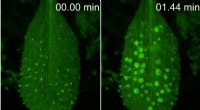
Cytokines are small, soluble proteins that act as messengers within the immune system and other biological systems. They are crucial for orchestrating immune responses, controlling inflammation, and regulating cell growth and development.
Structure:
* Size: Cytokines are relatively small proteins, ranging in size from 8 to 30 kDa.
* Structure: They exhibit diverse structures, including:
* Alpha-helical bundles: Some cytokines, like IL-2, have primarily alpha-helical structures.
* Beta-sheets: Others, like TNF-alpha, are dominated by beta-sheet structures.
* Mixed structures: Some cytokines combine alpha-helices and beta-sheets.
* Glycosylation: Many cytokines are glycosylated, meaning they have sugar molecules attached, which can influence their stability and activity.
* Receptor binding: Cytokines have specific binding sites for their corresponding receptors on target cells. This interaction triggers downstream signaling pathways.
Functions:
Cytokines play a wide range of roles in the body, but their primary function is to regulate immune responses. Some of their key functions include:
* Inflammation: Cytokines like TNF-alpha, IL-1, and IL-6 promote inflammation by recruiting immune cells to the site of infection or injury.
* Immune cell activation: Cytokines, such as IL-2, IL-4, and IFN-gamma, activate specific immune cells, such as T cells and B cells, to fight infections.
* Cell growth and differentiation: Cytokines, like IL-3 and GM-CSF, stimulate the growth and development of various blood cell types.
* Antiviral response: Interferons (IFNs) are a group of cytokines that play a crucial role in fighting viral infections.
* Wound healing: Certain cytokines, like TGF-beta, promote tissue repair and wound healing.
Types of Cytokines:
Cytokines are classified based on their function and source:
* Interleukins (ILs): These cytokines mediate communication between leukocytes (white blood cells).
* Interferons (IFNs): These cytokines interfere with viral replication and activate immune cells.
* Tumor necrosis factor (TNF): This cytokine is involved in inflammation, cell death, and immune cell activation.
* Growth factors: These cytokines promote cell growth and development.
* Chemokines: These cytokines attract immune cells to specific locations.
Key features:
* Pleiotropy: A single cytokine can have multiple effects on different cell types.
* Redundancy: Multiple cytokines can have overlapping functions.
* Synergy: Different cytokines can work together to amplify immune responses.
* Antagonism: Some cytokines can inhibit the activity of other cytokines.
Clinical relevance:
Cytokines are involved in many diseases, including:
* Autoimmune diseases: Dysregulation of cytokine production can contribute to autoimmune disorders.
* Infections: Cytokine responses are crucial for fighting infections.
* Cancer: Some cytokines can promote tumor growth, while others are used in cancer therapy.
* Inflammation: Cytokines play a central role in inflammation, both beneficial and harmful.
Future research:
Researchers are actively investigating the role of cytokines in various diseases and exploring their therapeutic potential. This includes:
* Developing new therapies for autoimmune diseases and cancer.
* Understanding the role of cytokines in the development of chronic diseases.
* Developing new methods to modulate cytokine production and activity.
Overall, cytokines are essential players in the immune system and other biological processes. Understanding their structure, function, and interactions is crucial for developing new treatments for a wide range of diseases.