The line between living and non-living can seem blurry, but there are key characteristics that differentiate them:
Living Organisms:
* Cellular Organization: Made up of one or more cells, the basic unit of life.
* Metabolism: Carry out chemical reactions to obtain and use energy, allowing for growth and repair.
* Homeostasis: Maintain a stable internal environment despite external changes.
* Growth and Development: Increase in size and complexity over time.
* Reproduction: Produce offspring, passing genetic information to the next generation.
* Response to Stimuli: React to changes in their environment.
* Adaptation: Evolve over time to better suit their environment.
Non-Living Objects:
* Lack Cellular Structure: Not made up of cells.
* No Metabolism: Do not exhibit chemical reactions necessary for life.
* No Homeostasis: Do not regulate internal environment.
* No Growth or Development: Do not change in size or complexity.
* No Reproduction: Do not create offspring.
* Limited Response to Stimuli: May exhibit a limited or passive response to stimuli (e.g., a rock rolling down a hill).
* No Adaptation: Do not evolve over time.
Examples:
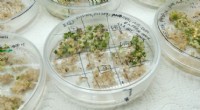
* Living: A plant, a dog, a bacteria, a fungus
* Non-Living: A rock, a table, a computer, a piece of paper
Important Notes:
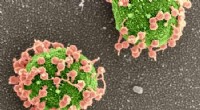
* Viruses: Considered by some to be on the boundary between living and non-living. They lack the basic cellular structure of living organisms, but can reproduce within living cells.
* Prions: Misfolded proteins that can cause disease. They are not considered alive, but can replicate within living organisms.
In essence, the key difference lies in the presence of life processes such as metabolism, growth, reproduction, and adaptation, all of which are carried out by cells.