1. Microtubules:
* Kinesins: Move towards the plus end of microtubules, transporting cargo like vesicles, organelles, and chromosomes.
* Dyneins: Move towards the minus end of microtubules, responsible for cilia and flagella movement, and moving vesicles and organelles.
2. Actin Filaments:
* Myosins: The most diverse group, involved in muscle contraction, cell migration, vesicle transport, and cytokinesis.
3. Intermediate Filaments:
* While not as common as microtubules and actin filaments, some motor proteins do interact with intermediate filaments. For example, a specific type of myosin is involved in the transport of intermediate filaments.
4. DNA:
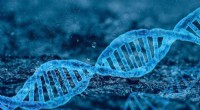
* Some motor proteins move along DNA molecules. For example, helicases unwind DNA during replication and transcription.
5. Other Motor Proteins:
* Some motor proteins interact with each other. For example, certain myosins interact with other myosins, or kinesins may interact with dyneins.
The specific interactions between motor proteins and cellular structures depend on the type of motor protein, the cellular process involved, and the specific cellular environment.
Overall, motor proteins are vital for a wide range of cellular processes, including:
* Cell division and movement
* Organelle transport and distribution
* Signal transduction
* Muscle contraction
* Protein synthesis and degradation
Their interactions with cellular structures are essential for maintaining cellular function and contributing to overall organismal health.