1. Building Blocks of the Cell:
* Proteins: Essential for almost every cellular function. They act as enzymes, structural components, transport molecules, hormones, and more.
* Carbohydrates: Primary energy source for cells. They also provide structural support (e.g., cellulose in plant cell walls) and act as recognition molecules.
* Lipids (Fats and Oils): Important for energy storage, cell membrane structure, insulation, and hormone production.
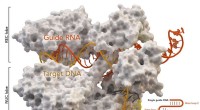
* Nucleic Acids (DNA and RNA): Store and transmit genetic information, essential for protein synthesis and cell division.
2. Structural Support and Organization:
* Proteins: Provide structural framework for cells (e.g., cytoskeleton), tissues, and organs.
* Carbohydrates: Form the cell wall in plants and bacteria, giving them rigidity and protection.
* Lipids: Make up the phospholipid bilayer that forms the cell membrane, regulating what enters and exits the cell.
3. Catalysis and Regulation:
* Proteins: Enzymes are proteins that catalyze (speed up) biochemical reactions, essential for metabolism.
* Nucleic Acids: DNA contains the genetic code for building proteins. RNA helps in protein synthesis.
4. Energy Storage and Transfer:
* Carbohydrates: Glucose is the main source of energy for cells, broken down through respiration.
* Lipids: Store energy in the long-term.
5. Communication and Recognition:
* Carbohydrates: Act as cell surface markers, allowing cells to recognize and interact with each other.
* Proteins: Receptors on cell surfaces bind to signaling molecules, triggering responses within the cell.
In summary: Macromolecules are the essential building blocks of life, responsible for the structure, function, and regulation of cells. They play crucial roles in energy production, protein synthesis, cell signaling, and maintaining the integrity of the cell. Without them, cells could not exist and life as we know it would be impossible.