Hematopoiesis, the process of blood cell formation, has been a source of fascination and scientific inquiry for centuries. Over time, numerous theories have emerged to explain this complex process, each refining our understanding of how blood cells are produced. Here's a journey through some prominent theories:
1. Reticular Theory (1868):
* Proposed by: Carl von Kupffer
* Main idea: Blood cells originated from the reticular tissue found in the bone marrow and other organs.
* Issue: This theory lacked the precision to differentiate between various blood cell lineages.
2. Monophyletic Theory (1908):
* Proposed by: Alexander Maximow
* Main idea: All blood cells originate from a single, pluripotent stem cell, termed the "hematopoietic stem cell" (HSC). This HSC has the potential to differentiate into all blood cell types.
* Significance: This theory revolutionized the understanding of hematopoiesis and laid the foundation for modern research.
3. Unitary Theory (1928):
* Proposed by: A.S. Pappenheimer
* Main idea: This theory refined the monophyletic theory, emphasizing the unique characteristics and lineage-specific differentiation pathways of different blood cells.
* Contribution: It further solidified the concept of a single HSC while acknowledging the diverse paths of blood cell development.
4. Stochastic Model (1970s):
* Proposed by: Several researchers
* Main idea: This model suggested that the differentiation of HSCs into various blood cell types is a random process driven by chance events and fluctuations in the microenvironment.
* Significance: It highlighted the role of environmental factors in influencing hematopoiesis.
5. Deterministic Model (1980s):
* Proposed by: Several researchers
* Main idea: This model proposed that HSC differentiation is not entirely random but is influenced by specific molecular signals and interactions.
* Contribution: It led to the identification of key regulatory molecules and pathways involved in hematopoiesis.
6. Current Understanding:
* Integrated approach: Modern understanding combines elements of both stochastic and deterministic models.
* Key factors: Hematopoiesis is now recognized as a complex process influenced by a combination of factors:
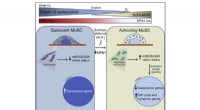
* Genetic factors: The HSC's own genetic makeup influences its differentiation potential.
* Extrinsic factors: The bone marrow microenvironment, including growth factors, cytokines, and interactions with other cells, play a crucial role in guiding HSC fate.
* Intrinsic factors: HSCs themselves possess mechanisms for self-renewal and differentiation, regulated by specific genes and transcription factors.
Ongoing Research:
Research continues to explore the molecular mechanisms and regulatory networks involved in hematopoiesis. This ongoing investigation is crucial for understanding blood disorders and developing new treatments for hematologic malignancies and other blood-related diseases.
In conclusion, the theories of hematopoiesis have evolved over time, progressively refining our understanding of blood cell formation. Today, a multifaceted approach incorporating genetic, extrinsic, and intrinsic factors provides a more complete picture of this vital process.