Animal Cells:
* Red blood cells: These cells transport oxygen throughout the body. They lack a nucleus and other organelles, allowing for maximum space for hemoglobin, the protein that binds oxygen.
* White blood cells: These cells are part of the immune system, fighting off infections and diseases. There are various types of white blood cells, each with a specialized function.
* Nerve cells (neurons): These cells transmit electrical signals throughout the body, allowing for communication between different parts of the organism. They have long, branching extensions called axons and dendrites.
* Muscle cells: These cells are responsible for movement, contracting and relaxing to generate force. There are different types of muscle cells, including skeletal, smooth, and cardiac muscle.
* Epithelial cells: These cells form the lining of organs and cavities, protecting the body from the environment and regulating the passage of substances.
* Connective tissue cells: These cells provide support and structure to the body, forming tissues like cartilage, bone, and blood.
Plant Cells:
* Parenchyma cells: These are the most common type of plant cell, responsible for photosynthesis, storage, and other functions.
* Collenchyma cells: These cells provide support and flexibility to young plant tissues.
* Sclerenchyma cells: These cells provide strength and rigidity to plant tissues, forming fibers and sclereids.
* Guard cells: These specialized cells surround stomata, pores in the leaves that regulate gas exchange and water loss.
* Xylem cells: These cells transport water and minerals from the roots to the rest of the plant.
* Phloem cells: These cells transport sugars and other nutrients throughout the plant.
Other Types of Cells:
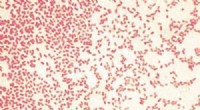
* Bacteria: These are single-celled organisms that lack a nucleus and other membrane-bound organelles. They are found in a wide variety of environments and play important roles in the environment.
* Fungi: These organisms can be unicellular (like yeast) or multicellular (like mushrooms), and their cells have cell walls made of chitin.
* Protists: This is a diverse group of mostly single-celled organisms, including amoebas, algae, and slime molds. They exhibit a wide range of adaptations and play diverse roles in ecosystems.
This is just a small sampling of the vast array of cells that exist. Every living organism is made up of these amazing, complex structures!