1. Growth and Development:
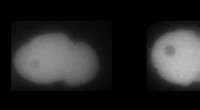
* Multicellular Organisms: Organisms grow by increasing the number of cells. This is achieved through cell division, where one cell divides into two.
* Single-celled Organisms: Even single-celled organisms like bacteria need to divide to reproduce.
2. Repair and Regeneration:
* When tissues are damaged, cell division replaces the damaged or lost cells. This is essential for healing wounds and repairing tissues.
3. Maintenance and Renewal:
* Many cells in the body have a limited lifespan and need to be replaced regularly. For example, skin cells, blood cells, and intestinal lining cells are constantly being replaced through cell division.
4. Reproduction:
* In sexually reproducing organisms, cell division is essential for the production of gametes (sperm and egg cells).
5. Specialized Functions:
* In some cases, cell division is necessary for cells to acquire specialized functions. For example, during development, stem cells divide to form specialized cells like nerve cells, muscle cells, and blood cells.
The specific reasons for cell division can vary depending on the type of cell, the organism, and the situation. However, the overall purpose is to maintain the integrity of the organism, support its growth and development, and allow for adaptation and survival.
It's important to note that cell division is a tightly regulated process. There are checkpoints in the cell cycle that ensure that cells divide only when it is necessary and safe. Errors in cell division can lead to uncontrolled growth and cancer.