Here's a breakdown:
Multicellular Algae:
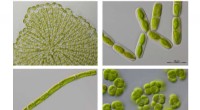
* Green algae (Chlorophyta): This group includes seaweeds like Ulva (sea lettuce) and Spirogyra (filamentous algae), as well as many other types that form complex structures.
* Brown algae (Phaeophyta): This group includes the largest seaweeds, like kelp and Sargassum.
* Red algae (Rhodophyta): This diverse group includes many seaweeds with intricate structures, as well as some that form coral reefs.
Unicellular Algae:
* Diatoms: These single-celled organisms have a hard, glass-like cell wall.
* Dinoflagellates: These single-celled organisms are important components of phytoplankton and can cause harmful algal blooms.
* Euglenoids: These single-celled organisms are often found in freshwater environments and can move using flagella.
* Green algae: While many green algae are multicellular, some, like Chlamydomonas, are single-celled.
Important Note: While all types of algae can be found in either multicellular or unicellular forms, some groups are predominantly multicellular (like brown algae), while others are predominantly unicellular (like diatoms).