The Cell Theory
The cell theory is a fundamental principle in biology. It states:
1. All living organisms are composed of one or more cells.
2. The cell is the basic unit of structure and organization in organisms.
3. All cells arise from pre-existing cells.
Evidence Supporting the Cell Theory
Here are some key pieces of evidence that support the cell theory and the idea that the cell is the fundamental unit of life:
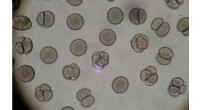
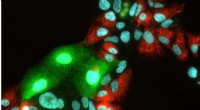
* Microscopy: The invention of the microscope allowed scientists to observe cells for the first time. This visual evidence demonstrated that all living organisms are composed of cells.
* Cell Culture: The ability to grow cells in a controlled laboratory setting (cell culture) allows for detailed study of cellular processes and functions. This research has shown that cells are self-sufficient units capable of carrying out all the essential functions of life.
* Viruses: Viruses are non-living entities that cannot replicate on their own. They require a host cell to reproduce, further emphasizing the importance of the cell as the fundamental unit of life.
* Cellular Processes: Cells exhibit all the characteristics of life. They take in nutrients, convert energy, eliminate waste, grow, reproduce, and respond to their environment. These fundamental processes occur within the cell, highlighting its importance as the basic unit of life.
* Evolutionary History: The universality of the cell across all life forms, from bacteria to humans, suggests a common ancestor and a strong evolutionary argument for the cell as the fundamental building block of life.
In Summary:
The vast amount of evidence, from microscopic observations to cellular processes and evolutionary history, overwhelmingly supports the cell as the basic unit of life. The cell is the smallest unit that can carry out all the essential functions of life, making it the fundamental building block of all living organisms.