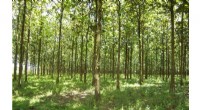
Terrestrial Biomes:
* Tundra: Cold, treeless, with permafrost (permanently frozen ground)
* Boreal Forest (Taiga): Cold, coniferous forests with long, cold winters
* Temperate Deciduous Forest: Moderate climate, with trees that lose their leaves in the fall
* Temperate Grassland: Dry, grassy areas with hot summers and cold winters
* Desert: Very dry, with little vegetation
* Tropical Rainforest: Hot, humid, with a high diversity of plant and animal life
* Tropical Savanna: Grasslands with scattered trees and a distinct wet and dry season
Aquatic Biomes:
* Freshwater:
* Lakes and Ponds: Still or slow-moving water
* Rivers and Streams: Flowing water
* Wetlands: Areas saturated with water, like marshes and swamps
* Marine:
* Oceans: Vast bodies of saltwater
* Coral Reefs: Diverse ecosystems in shallow, warm waters
* Estuaries: Where freshwater rivers meet the ocean
Other Biomes:
* Mountains: High-altitude areas with unique climates and vegetation
* Polar Regions: Extremely cold areas around the Earth's poles
It's important to note that these are just the major categories, and there are many subcategories and variations within each biome.
Additionally, the boundaries between biomes are not always clear-cut, and there are often transitional areas where characteristics of two or more biomes overlap.