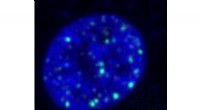
Here's why:
* Mitochondria are the powerhouses of the cell: They are responsible for producing ATP, the primary energy source for cellular processes.
* Mitochondria are essential for many other cellular functions: They play a role in cell signaling, apoptosis (programmed cell death), and calcium homeostasis.
There are some exceptions:
* Red blood cells (erythrocytes): Mature red blood cells lack mitochondria. This is because they lose their nuclei and other organelles during development to maximize their oxygen-carrying capacity. They rely on glycolysis (a process that does not require mitochondria) for energy.
* Some cells with limited energy requirements: Cells like lens fibers and hair cells have very few mitochondria.
However, even these cells depend on other cells with mitochondria for their survival and function. For example, red blood cells rely on other cells to produce ATP and for various other metabolic processes.
Therefore, it is inaccurate to say that there are human cells without mitochondria. While some cells have very few mitochondria, all human cells require them for essential functions.