Cnidarians use a variety of methods for movement, depending on the species:
1. Jet Propulsion: Jellyfish use a pulsating bell (the umbrella-shaped structure) to propel themselves through the water. They contract the bell, forcing water out and creating a jet of water that propels them forward.
2. Muscular Contractions: Some cnidarians, like sea anemones, use muscular contractions to move slowly across the seabed. They have a muscular foot, known as a pedal disc, which they use to anchor themselves and then contract muscles to move.
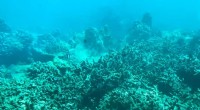
3. Water Currents: Some cnidarians, like corals, are sessile (attached to a surface) and rely on water currents to bring them food and oxygen. They can also move very slowly by shifting their positions slightly.
4. Tentacles: Some cnidarians use their tentacles for limited movement. They can use their tentacles to anchor themselves to a surface or to pull themselves along.
Stinging cells (nematocysts) play no direct role in locomotion for cnidarians. They are specialized structures located in the tentacles and used for:
* Defense: To deter predators and protect themselves.
* Prey Capture: To paralyze or subdue prey.
Therefore, while nematocysts are a defining characteristic of cnidarians, their primary function is not locomotion.