Here's a breakdown:
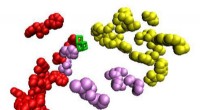
* Ribosomes are complex structures made of ribosomal RNA (rRNA) and proteins. They are found in all living cells, both prokaryotes and eukaryotes.
* Protein synthesis involves translating the genetic code carried by messenger RNA (mRNA) into a chain of amino acids, forming a protein.
* Ribosomes bind to mRNA and use the information to assemble the amino acids in the correct sequence.
While the ribosome is the primary site of protein synthesis, other organelles play supporting roles:
* Nucleus: Contains the DNA that codes for proteins.
* Endoplasmic reticulum (ER): Provides a platform for ribosomes to attach and synthesize proteins.
* Golgi apparatus: Modifies, packages, and sorts proteins before they are transported to their final destinations.