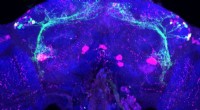
1. Nerve Cells (Neurons): These cells are responsible for transmitting signals throughout the body. They have long, thin extensions called axons that carry electrical impulses over long distances. They also have dendrites that receive signals from other neurons.
2. Muscle Cells: These cells are responsible for movement. They have specialized proteins called myosin and actin that allow them to contract and relax. There are different types of muscle cells, including skeletal muscle, smooth muscle, and cardiac muscle, each with specific functions.
3. Red Blood Cells: These cells are responsible for carrying oxygen throughout the body. They have a unique shape, like a biconcave disc, which maximizes their surface area for oxygen absorption. They also contain hemoglobin, a protein that binds to oxygen.