1. Improve Desired Traits:
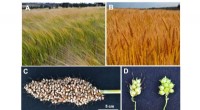
* Agriculture: To develop crops with higher yields, disease resistance, improved nutritional content, or desirable characteristics like taste or color.
* Livestock: To breed animals with higher milk production, faster growth rates, better meat quality, or resistance to diseases.
* Pets: To create animals with desired physical traits (e.g., size, coat color) and temperaments.
2. Study Genetic Mechanisms:
* Research: By selectively breeding organisms with specific traits, scientists can study the genetic basis of those traits and understand how genes work. This is crucial for understanding the mechanisms of evolution and disease.
* Model Organisms: Selective breeding helps create model organisms (like lab mice) with specific genetic backgrounds that are used to study various diseases and biological processes.
3. Conservation Efforts:
* Endangered Species: In some cases, selective breeding can help to maintain genetic diversity within endangered species or to reintroduce desirable traits that have been lost.
4. Understanding Evolution:
* Artificial Selection: Selective breeding serves as a model for natural selection, demonstrating how the environment can drive evolutionary change. Studying the effects of artificial selection can provide insights into how natural selection operates.
Examples of Selective Breeding:
* Corn: From its wild ancestor, teosinte, corn has been selectively bred for larger kernels, higher yields, and improved nutritional content.
* Dogs: Domestic dogs have been selectively bred for thousands of years, resulting in hundreds of breeds with diverse physical characteristics and temperaments.
* Lab Mice: Scientists have selectively bred specific strains of mice for research purposes, such as those with specific genetic mutations that make them prone to certain diseases.
Ethical Considerations:
It's important to note that selective breeding raises ethical concerns, especially when dealing with animals. Concerns include potential suffering for animals bred for specific traits, the potential for unintended consequences, and the potential for genetic manipulation to be used for harmful purposes.
Overall, selective breeding is a powerful tool with various applications, from improving crops and livestock to advancing scientific research. However, it's essential to use this tool responsibly and ethically.