Here's why:
* Support and Structure: Plant cells need a rigid structure to support themselves and maintain their shape. They don't have a skeleton like animals do, so the cell wall provides this structural support. This is especially important for plants that grow tall or need to withstand strong winds and other environmental pressures.
* Protection: The cell wall acts as a protective barrier, preventing the cell from bursting due to changes in osmotic pressure (the pressure of water moving in and out of the cell). This is important for plants that live in environments where water availability can fluctuate.
* Regulation of Cell Growth and Development: The cell wall plays a role in regulating the growth and development of plant cells. It can expand and change shape as the cell grows, and it can also influence the direction of growth.
In contrast, animal cells:
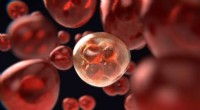
* Movement and Flexibility: Animal cells need to be flexible to move and change shape. They rely on internal cytoskeletons for support and are not anchored in place.
* Intercellular Communication: Animal cells rely on specialized junctions to communicate with each other. These junctions are not present in the cell walls of plant cells.
* Ingestion and Digestion: Animal cells need to be able to ingest food and break it down internally. The cell wall would hinder this process.
In summary, the presence of a cell wall in plant cells and its absence in animal cells is a reflection of the distinct evolutionary paths and functional requirements of these two types of organisms.