Sodium Absorption Mechanisms:
* Sodium-Potassium Pump: This is the primary mechanism for maintaining sodium gradients across cell membranes. It's an active transport system that uses ATP (energy derived from glucose metabolism, which can occur with or without oxygen). In the absence of oxygen, the pump will become less efficient, but it won't completely stop working.
* Other Transport Mechanisms: There are other mechanisms for sodium transport, including passive diffusion through channels and co-transport systems. These may be influenced by the cell's overall energy status, but they are not directly dependent on oxygen.
Oxygen's Role:
* Energy Production: Oxygen is crucial for efficient energy production through aerobic respiration. Without oxygen, cells rely on anaerobic respiration, which is much less efficient and produces lactic acid as a byproduct. This can negatively impact cell function.
* Sodium Gradient: While oxygen deprivation reduces energy production, it doesn't directly block sodium channels or prevent sodium from moving across the membrane. The reduced energy supply makes it harder to maintain the sodium gradient, but it doesn't stop it entirely.
Consequences of Oxygen Deprivation:
* Reduced Pump Efficiency: The sodium-potassium pump becomes less efficient, leading to a gradual accumulation of sodium inside the cell.
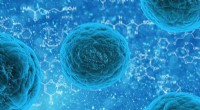
* Cellular Swelling: This accumulation of sodium can disrupt the cell's osmotic balance, leading to water influx and potential cell swelling.
* Metabolic Stress: Anaerobic metabolism produces lactic acid, which can acidify the intracellular environment and further stress the cell.
In Summary:
Oxygen deprivation doesn't prevent sodium absorption outright, but it significantly impacts the efficiency of the processes that regulate it. This leads to imbalances and cellular stress, ultimately affecting cell function and potentially leading to cell death if the oxygen deprivation persists.