1. Levels of Organization:
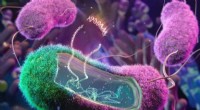
* Cellular: Single-celled organisms like bacteria and protists.
* Multicellular: Organisms with specialized cells organized into tissues, organs, and organ systems, like plants and animals.
2. Domains of Life:
* Bacteria: Prokaryotic organisms with diverse metabolic capabilities.
* Archaea: Prokaryotic organisms often found in extreme environments.
* Eukarya: Organisms with eukaryotic cells, including plants, animals, fungi, and protists.
3. Kingdoms:
* Plants: Multicellular, photosynthetic organisms.
* Animals: Multicellular, heterotrophic organisms.
* Fungi: Heterotrophic organisms that obtain nutrients through absorption.
* Protists: Diverse group of mostly single-celled eukaryotic organisms.
4. Phyla:
* Each kingdom is further divided into phyla, representing major groups of organisms with common characteristics.
5. Classification Hierarchy:
* Phyla are further subdivided into classes, orders, families, genera, and species, creating a hierarchical classification system.
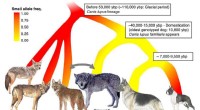
6. Evolutionary Relationships:
* The biological spectrum of life reflects the evolutionary history and relationships between organisms, showcasing the diversity of life forms that have evolved over billions of years.
7. Environmental Adaptations:
* Organisms have adapted to a wide range of environments, from the depths of the ocean to the highest mountains, contributing to the spectrum of life.
Therefore, the "biological spectrum of life" represents the vastness and interconnectedness of all living things, showcasing the incredible diversity of forms, functions, and evolutionary histories present on Earth.