Digestive Enzymes:
* Amylase: Found in saliva and pancreatic juice, breaks down starch into simpler sugars.
* Pepsin: Found in the stomach, breaks down proteins into smaller peptides.
* Lactase: Found in the small intestine, breaks down lactose (milk sugar) into glucose and galactose.
* Lipase: Found in pancreatic juice and in the mouth, breaks down fats (lipids) into fatty acids and glycerol.
Metabolic Enzymes:
* DNA polymerase: Involved in DNA replication, adding nucleotides to a growing DNA strand.
* RNA polymerase: Involved in RNA transcription, creating RNA molecules from a DNA template.
* Hexokinase: Found in many tissues, catalyzes the first step in glucose metabolism, adding a phosphate group to glucose.
* ATP synthase: Found in mitochondria, produces ATP (adenosine triphosphate), the primary energy source for cells.
Other Examples:
* Catalase: Found in most living organisms, breaks down hydrogen peroxide (a toxic byproduct of metabolism) into water and oxygen.
* Restriction enzymes: Found in bacteria, used in genetic engineering to cut DNA at specific sequences.
* Luciferase: Found in fireflies, produces light through a chemical reaction.
General Points:
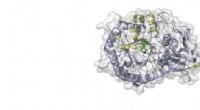
* Each enzyme has a specific active site that binds to a specific substrate.
* Enzymes are highly efficient catalysts, meaning they speed up reactions without being consumed themselves.
* Enzymes are essential for all living organisms, regulating a wide variety of biological processes.
This list is just a small sample of the thousands of enzymes found in nature. Enzymes play crucial roles in everything from digestion and energy production to DNA replication and cell signaling.